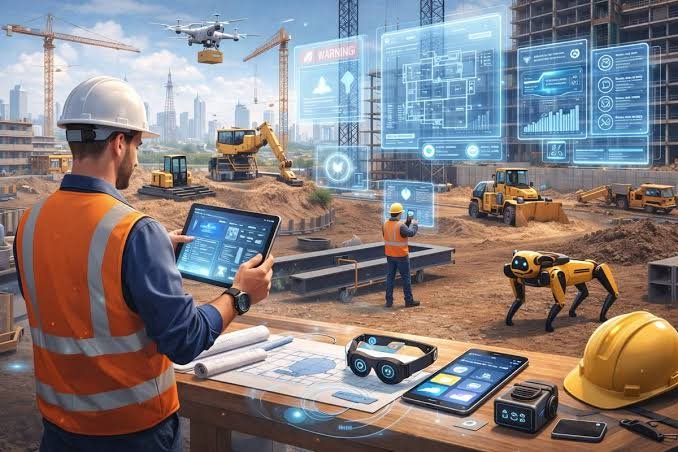
Technology has become a part of almost every area of modern life. From the way we communicate to how businesses manage their operations, digital tools are making everyday tasks faster and more convenient. One of the most important developments in this area is the rise of Smart Systems.
Smart Systems are technologies designed to collect information, analyze it, and respond to changing situations with little or no human intervention. They can be found in homes, offices, factories, hospitals, transportation networks, farms, and even entire cities. By combining sensors, software, artificial intelligence, connected devices, and data analysis, these systems can make decisions and perform tasks more efficiently.
The idea behind Smart Systems is not simply to make machines more advanced. It is about making technology more aware of its surroundings and capable of responding intelligently. A smart thermostat, for example, can learn a household’s heating preferences and automatically adjust the temperature. In a factory, a smart monitoring system can detect unusual machine behavior before a serious breakdown occurs.
As technology continues to develop, Smart Systems are becoming more common and more sophisticated. Understanding how they work and why they matter can help us see where modern technology is heading.
What Are Smart Systems?
A Smart System is a technology-based system that can sense its environment, process information, and take an appropriate action. These systems generally rely on a combination of hardware and software.
Sensors collect information from the surrounding environment. The information may include temperature, movement, sound, pressure, location, or energy consumption. Once the data is collected, software processes it and identifies useful patterns. Depending on the system, artificial intelligence or machine learning may then be used to determine what action should be taken.
For example, a smart security camera can detect movement around a property. Instead of simply recording everything, it may analyze the activity and send an alert when it identifies something unusual.
This ability to sense, analyze, and respond is what makes Smart Systems different from traditional automated technologies.
How Do Smart Systems Work?
Although Smart Systems can be very different from one another, many follow a similar process.
First, sensors gather data from the physical environment. This data is then transferred to a local computer, cloud platform, or another processing system. Software analyzes the information and determines what it means.
The system can then respond based on predefined rules or learned patterns. In more advanced systems, artificial intelligence can help the technology make decisions based on large amounts of data.
Connectivity is another important part of Smart Systems. Many devices communicate through the internet or other wireless networks. This allows information to move between devices and enables users to monitor or control systems remotely.
For instance, a smart lighting system may detect that a room is empty and turn off the lights automatically. A user may also control the lights through a smartphone from another location.
Examples of Smart Systems
Smart Systems are no longer limited to research laboratories or large technology companies. They are already being used in many practical situations.
Smart Homes
Smart homes are one of the most familiar examples. Devices such as smart thermostats, lighting systems, door locks, cameras, and appliances can communicate with one another and respond to user preferences.
A smart home can automatically adjust lighting, manage temperature, monitor security, and control appliances. These features can make daily routines more convenient while potentially reducing unnecessary energy consumption.
Smart Healthcare
Healthcare is another field where intelligent technology is creating new possibilities. Smart medical devices can monitor vital signs and provide information to healthcare professionals.
Wearable devices can track activities such as heart rate, sleep patterns, exercise, and other measurements. In clinical environments, connected monitoring equipment can help medical teams keep track of patients and identify changes that may require attention.
Smart Systems do not replace healthcare professionals, but they can provide useful information that supports better decision-making.
Smart Manufacturing
Factories are increasingly using connected machines and intelligent monitoring systems. These technologies can track equipment performance, production levels, temperature, pressure, and other important conditions.
One major benefit is predictive maintenance. Instead of waiting for a machine to fail, a Smart System can identify unusual patterns and alert workers that maintenance may be needed.
This approach can reduce unexpected downtime and help businesses manage maintenance more efficiently.
Smart Transportation
Transportation systems can also benefit from intelligent technology. Traffic monitoring systems can collect information about road conditions and vehicle movement.
Smart traffic signals can adjust their timing according to traffic patterns. Navigation systems can use real-time information to suggest alternative routes. Public transportation networks can use connected systems to monitor vehicles and improve scheduling.
These applications demonstrate how Smart Systems can work at a much larger scale than individual devices.
Smart Agriculture
Farmers are also adopting intelligent technologies to improve agricultural operations. Sensors can monitor soil moisture, temperature, humidity, and other environmental conditions.
A connected irrigation system can use this information to determine when crops need water. Drones and satellite technology can also provide information about crop conditions.
By using data instead of relying entirely on guesswork, farmers can make more informed decisions about resources and crop management.
Benefits of Smart Systems
Smart Systems offer several potential advantages for individuals, businesses, and organizations.
One major benefit is efficiency. Intelligent systems can automate repetitive tasks and respond quickly to changing conditions. This can save time and allow people to focus on more complex responsibilities.
Another advantage is better decision-making. Smart Systems can process large amounts of information much faster than humans can manually analyze it. When the data is accurate and the system is properly designed, this information can support more informed decisions.
Convenience is also an important benefit. Smart home devices, for example, can perform routine tasks automatically and allow users to control equipment remotely.
Smart Systems can also contribute to resource management. Businesses may use intelligent monitoring to reduce energy waste, while farms can use sensors to manage water more carefully.
In industrial environments, these systems can improve safety by monitoring dangerous conditions and providing warnings when unusual activity is detected.
Challenges of Smart Systems
Despite their advantages, Smart Systems also come with challenges.
One of the biggest concerns is privacy. Many smart devices collect information about users, homes, workplaces, or daily activities. If this data is not properly protected, it could be accessed or misused.
Cybersecurity is another major issue. Connected devices can become targets for hackers. A poorly secured smart device may provide an entry point into a larger network.
There is also the question of reliability. A Smart System may make incorrect decisions if its sensors provide inaccurate information or if the software has not been properly designed.
Cost can be another barrier. Advanced systems may require expensive hardware, software, maintenance, and professional installation.
Finally, people need to understand that intelligent technology is not automatically perfect. Human supervision remains important, particularly in areas where errors could have serious consequences.
The Role of Artificial Intelligence in Smart Systems
Artificial intelligence has become an important part of many modern Smart Systems. Traditional automated systems usually follow fixed instructions, while AI-powered systems can analyze patterns and adapt their responses.
Machine learning is particularly useful when a system needs to recognize patterns in large datasets. For example, a Smart System could analyze equipment data over time and identify signs associated with potential mechanical problems.
AI can also help systems understand images, speech, language, and complex environmental information. As these capabilities improve, Smart Systems can become more responsive and useful.
However, AI is only one component of a Smart System. Sensors, communication networks, databases, software, security measures, and human oversight can all play important roles.
Smart Systems and the Future
The future of Smart Systems is closely connected with the development of artificial intelligence, the Internet of Things, cloud computing, robotics, and faster communication networks.
As these technologies become more accessible, smart capabilities are likely to appear in more products and services. Buildings may become better at managing energy use. Transportation networks may become more responsive to traffic conditions. Factories may increasingly rely on predictive technologies to manage equipment.
The next generation of Smart Systems may also communicate more effectively with one another. Instead of operating as isolated devices, systems could exchange information and coordinate actions across larger environments.
This could create more connected homes, businesses, communities, and cities.
At the same time, responsible development will be essential. Organizations will need to consider privacy, security, transparency, accessibility, and human control when designing intelligent technologies.
Why Smart Systems Matter
Smart Systems represent an important shift in the relationship between humans and technology. Traditional machines generally perform specific tasks according to instructions. Smart technologies can go a step further by observing conditions, analyzing information, and responding accordingly.
Their value is not simply that they are “smart.” Their real importance comes from their ability to solve practical problems.
Whether it is helping a farmer manage water, helping a factory predict equipment problems, helping a household reduce energy waste, or helping a city manage traffic, Smart Systems can turn information into useful action.
The technology is still developing, and its success will depend on how responsibly it is designed and used. When combined with reliable data, strong security, and appropriate human oversight, Smart Systems can become powerful tools for improving efficiency and solving everyday challenges.
Frequently Asked Questions
1. What are Smart Systems?
Smart Systems are technology-based systems that can collect information from their environment, process that information, and respond automatically or with limited human intervention. They often use sensors, software, connectivity, data analysis, and artificial intelligence.
2. Where are Smart Systems used?
Smart Systems are used in many areas, including homes, healthcare, manufacturing, agriculture, transportation, offices, energy management, and smart cities. Their applications vary depending on the needs of each environment.
3. How do Smart Systems make decisions?
A Smart System collects data through sensors or connected devices and processes that information using software. Some systems follow predefined rules, while more advanced systems may use artificial intelligence and machine learning to identify patterns and determine suitable actions.
4. Are Smart Systems the same as artificial intelligence?
No. Artificial intelligence can be an important component of a Smart System, but the two terms do not mean exactly the same thing. A Smart System may include sensors, networks, software, and automation, while AI provides capabilities such as pattern recognition, prediction, or intelligent decision-making.
5. What are the main benefits of Smart Systems?
Common benefits include improved efficiency, automation, convenience, better data analysis, resource management, and faster responses to changing conditions. The actual benefits depend on how the system is designed and where it is used.
6. Are Smart Systems secure?
Security depends on the design and implementation of the system. Connected devices can face cybersecurity risks if they have weak passwords, outdated software, poor network protection, or inadequate security controls. Regular updates and strong security practices are important.
7. Can Smart Systems work without the internet?
Yes. Some Smart Systems can operate locally without an internet connection. For example, a sensor-based system may collect information and make decisions using local hardware. However, internet connectivity can provide additional features such as remote access, cloud storage, and communication between devices.
8. What is the future of Smart Systems?
The future of Smart Systems is likely to involve greater integration with artificial intelligence, robotics, connected devices, cloud computing, and advanced communication networks. These technologies may allow systems to become more adaptive and capable while increasing the importance of privacy, cybersecurity, and responsible use.
Conclusion
Smart Systems are becoming an increasingly important part of the modern technological landscape. By combining sensors, connectivity, software, data analysis, and artificial intelligence, these systems can understand changing conditions and respond to them in useful ways.
Their applications range from smart homes and healthcare to manufacturing, agriculture, transportation, and urban infrastructure. While they offer benefits such as efficiency, convenience, automation, and improved resource management, they also introduce challenges involving privacy, cybersecurity, reliability, and cost.
As technology continues to evolve, Smart Systems will likely become more integrated into everyday life. The most meaningful progress, however, will not come simply from creating more intelligent machines. It will come from using these technologies responsibly to address real human needs and improve the way people live and work.