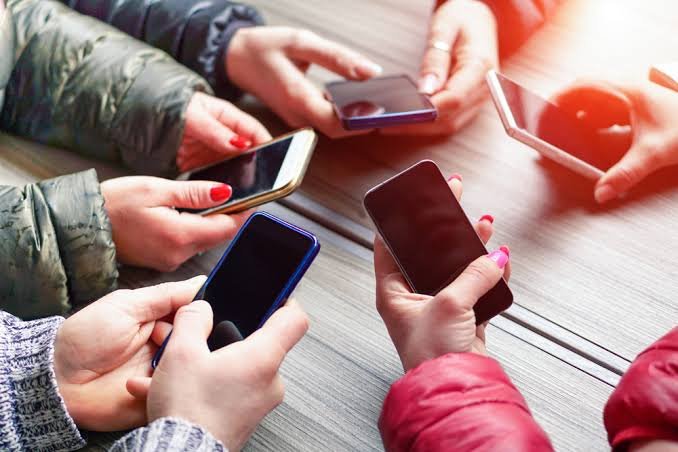
Smart phones have become an essential part of modern life. From staying connected with family and friends to managing work, entertainment, shopping, banking, and education, these small devices can handle tasks that once required several different gadgets. For many people, a smartphone is no longer just a device for making calls. It has become a personal assistant, camera, entertainment center, communication tool, and source of information all in one.
The rapid development of smart phones has changed the way people interact with technology. Features that seemed impressive a few years ago are now considered standard. High-quality cameras, fast processors, large displays, artificial intelligence, powerful apps, and reliable internet connections have made smartphones more useful than ever.
What Are Smart Phones?
Smart phones are mobile devices that combine the basic functions of a traditional phone with advanced computing features. Unlike older mobile phones, modern smartphones can connect to the internet, install applications, take high-resolution photographs, play videos, run games, manage documents, and perform many other tasks.
Most smart phones use operating systems such as Android or iOS. These systems provide the interface through which users interact with applications and device settings. Users can download apps for almost anything, including communication, fitness, education, finance, travel, photography, and productivity.
One of the biggest advantages of smart phones is convenience. Instead of carrying a separate camera, music player, GPS device, calculator, calendar, and notebook, people can access many of these functions from a single device.
The Evolution of Smart Phones
The journey of smart phones has been remarkable. Early mobile phones were primarily designed for voice calls and simple text messages. As technology improved, manufacturers began adding features such as cameras, color screens, internet access, music players, and basic applications.
The introduction of modern touchscreen smartphones changed the industry significantly. Touch-based interfaces made smartphones easier to use and encouraged developers to create millions of applications for different purposes.
Today, smart phones are more powerful than many computers used by consumers in the past. Modern processors can handle demanding applications, while advanced cameras can capture detailed photos and videos. Faster mobile networks also allow users to stream content, attend online meetings, play multiplayer games, and download large files within seconds.
Smart Phones for Communication
Communication remains one of the most important uses of smart phones. People can make voice and video calls, send text messages, and communicate through social media and messaging applications.
Video calling has also made long-distance communication much easier. Families living in different cities or countries can see and speak to each other without needing expensive traditional communication services.
Smart phones have also changed professional communication. Employees can respond to emails, participate in virtual meetings, share documents, and communicate with colleagues while away from their desks. This flexibility has become especially valuable as remote and hybrid working arrangements have become more common.
Smart Phones and Education
Smart phones can also be useful educational tools. Students can access online courses, digital books, educational videos, dictionaries, calculators, and research materials from almost anywhere.
A student who wants to learn a new language, understand a difficult mathematical concept, or study a particular subject can find numerous educational resources through a smartphone.
Teachers can also use smartphones to share assignments, communicate with students, provide learning materials, and conduct online activities. However, students need to use these devices responsibly because social media, games, and other distractions can make it difficult to concentrate.
Smart Phones for Work and Productivity
For professionals and business owners, smart phones can improve productivity. Email, calendars, note-taking applications, cloud storage, office software, and communication tools allow people to manage important tasks without always needing a computer.
Small business owners can use their smartphones to communicate with customers, promote products on social media, process payments, monitor orders, and manage their businesses while traveling.
Mobile banking has also made financial management more convenient. Users can check balances, transfer money, pay bills, and monitor transactions directly from their phones. Of course, users should always protect their devices and financial accounts with strong passwords and other security measures.
Cameras and Mobile Photography
One of the most popular smartphone features is the camera. Smartphone photography has developed enormously, allowing ordinary users to take high-quality pictures without purchasing a dedicated camera.
Modern smart phones often include multiple cameras designed for different situations. Wide-angle lenses can capture landscapes and groups, while telephoto cameras can help photograph distant subjects. Software also plays an important role by improving exposure, colors, focus, and image quality.
For social media users, content creators, travelers, and small businesses, a smartphone camera can be an extremely useful tool. People can take a photograph, edit it, and publish it online within minutes.
Entertainment on Smart Phones
Smart phones have also become major entertainment devices. Users can watch movies and videos, listen to music and podcasts, read books, browse social media, and play games.
Mobile gaming has grown into a major form of entertainment because modern phones can provide impressive graphics and responsive controls. Streaming services have also made it possible to watch content almost anywhere with a suitable internet connection.
The convenience is attractive, but excessive screen time can become a problem. Taking regular breaks and maintaining a healthy balance between digital activities and real-world activities is important.
The Role of Artificial Intelligence
Artificial intelligence is becoming increasingly important in smart phones. AI-powered features can help improve photographs, organize information, recognize speech, translate languages, filter unwanted messages, and provide personalized recommendations.
Voice assistants can perform tasks through spoken commands, such as setting reminders, checking information, or controlling compatible devices. AI can also help smartphones understand how users interact with their devices and optimize performance.
As AI technology continues to develop, smartphones are likely to become even more personalized and capable.
Security and Privacy
As smart phones become more powerful, security and privacy have become increasingly important. A smartphone can contain personal photographs, messages, financial information, contacts, documents, and account credentials.
Users should protect their devices with a strong password, PIN, fingerprint, or facial recognition where available. Keeping the operating system and applications updated is also important because updates can include security improvements.
People should also be careful when installing unfamiliar applications or clicking suspicious links. Reviewing app permissions can help users understand what information an application is requesting.
Choosing the Right Smart Phone
There are many smartphones available at different prices, so choosing the right one depends on individual needs and budget.
Someone who mainly uses a phone for calls, messaging, browsing, and social media may not need an expensive flagship model. A photography enthusiast may prioritize camera quality, while a gamer may focus more on processing power, display quality, and battery life.
Battery capacity, storage, software support, display quality, camera performance, durability, and overall performance are all factors worth considering before buying a new smartphone.
The Future of Smart Phones
The future of smart phones is likely to bring even more advanced technology. Manufacturers are continuing to explore foldable displays, improved cameras, faster processors, better batteries, artificial intelligence, and new ways of interacting with devices.
Smartphones may become increasingly connected to other products, including smart watches, cars, home appliances, and wearable devices. Instead of working as isolated gadgets, these devices can form a connected digital ecosystem.
At the same time, consumers are likely to pay greater attention to privacy, security, battery efficiency, and environmental impact. As smartphone technology develops, manufacturers will need to balance new features with reliability, sustainability, and user needs.
Frequently Asked Questions About Smart Phones
1. What is a smart phone?
A smart phone is a mobile device that combines traditional phone features with advanced computing capabilities. It can connect to the internet, run applications, take photos and videos, send messages, make calls, and perform many other tasks.
2. What can smart phones be used for?
Smart phones can be used for communication, education, work, entertainment, photography, navigation, online shopping, banking, social media, and many other activities.
3. Are smart phones useful for students?
Yes. Students can use smart phones to access educational websites, online courses, digital books, learning applications, dictionaries, calculators, and educational videos. However, they should avoid unnecessary distractions while studying.
4. How long does a smart phone battery usually last?
Battery life varies depending on the phone, battery capacity, software, network connection, screen brightness, and how heavily the device is used. Light users may get a full day or more, while intensive gaming or video use can drain a battery much faster.
5. How can I keep my smart phone secure?
Use a strong password or PIN, enable biometric security when appropriate, install software updates, download applications from trusted sources, and avoid clicking suspicious links. It is also wise to review app permissions regularly.
6. Are expensive smart phones better than affordable ones?
Not necessarily. Expensive smartphones often offer advanced cameras, faster processors, premium materials, and additional features, but an affordable phone may be perfectly suitable for someone with basic needs. The right choice depends on how the phone will be used.
7. Can smart phones replace computers?
Smart phones can perform many tasks traditionally handled by computers, including browsing the internet, sending emails, editing documents, and attending online meetings. However, computers are generally more convenient for demanding professional work, extensive typing, and complex software.
8. What should I consider before buying a smart phone?
Consider your budget, battery life, camera quality, storage, display, performance, software support, durability, and the features you actually need. Choosing based on your personal requirements is usually more useful than simply buying the most expensive model.
Conclusion
Smart phones have transformed everyday life by bringing communication, information, entertainment, productivity, and numerous other services into one portable device. They have changed how people work, learn, communicate, shop, travel, and enjoy entertainment.
However, the benefits of smartphones depend largely on how they are used. Responsible use can make a smartphone a powerful and practical tool, while excessive or careless use can create distractions and privacy concerns.
As technology continues to advance, smart phones will likely become even more capable. Their role in modern life is already significant, and future innovations are expected to make these devices an even bigger part of how people interact with the digital world.