Technology has become a natural part of everyday life. From the moment we wake up to the time we go to bed, we use different types of technology to communicate, work, study, travel, entertain ourselves, and manage our homes. Among the most useful developments in modern technology are smart devices.
Smart devices are electronic products that can connect to the internet, other devices, or digital networks. They are designed to perform tasks more efficiently and, in many cases, respond to user commands. Smartphones, smartwatches, smart TVs, smart speakers, smart home appliances, and connected security cameras are just a few common examples.
What makes these devices different from traditional electronics is their ability to collect information, communicate with other systems, and provide personalized features. As technology continues to develop, smart devices are becoming more common in homes, workplaces, schools, and businesses.
What Are Smart Devices?
Smart devices are electronic products that use software, sensors, connectivity, or artificial intelligence to provide advanced functions. Unlike traditional devices, they can often connect to the internet or communicate with other connected products.
For example, a traditional light can simply be switched on or off. A smart light, however, can be controlled through a mobile application, voice command, or automated schedule. Some smart lights can even adjust their brightness or color according to the user’s preferences.
Similarly, a regular watch mainly tells time, while a smartwatch can display notifications, monitor physical activity, track sleep, and perform other digital functions.
The main purpose of smart technology is not simply to add more features. It is to make everyday tasks easier, faster, and more convenient.
Common Types of Smart Devices
There are many categories of smart devices available today. Each one serves a different purpose, although many can work together as part of a connected ecosystem.
Smartphones
Smartphones are perhaps the most familiar smart devices. They combine communication, entertainment, photography, navigation, banking, shopping, and many other functions in one portable product.
Modern smartphones can connect to Wi-Fi and mobile networks, run thousands of applications, use voice assistants, and communicate with other smart products.
Smartwatches
Smartwatches are designed to provide information directly from the user’s wrist. Depending on the model, they may display messages, calls, reminders, calendars, weather updates, and activity information.
Many smartwatches can also connect with smartphones and provide quick access to important notifications without requiring the user to take out their phone.
Smart TVs
Smart TVs combine traditional television features with internet-based services. Users can access streaming platforms, online videos, music services, applications, and other digital content directly through the television.
Some smart TVs also support voice control and can connect with other devices in a smart home.
Smart Speakers
Smart speakers use microphones, internet connectivity, and voice assistants to respond to spoken commands. Users can ask questions, play music, set reminders, check information, or control compatible smart home products.
Their voice-control capabilities make them particularly useful when people want to perform a task without using their hands.
Smart Home Appliances
Refrigerators, washing machines, ovens, air conditioners, vacuum cleaners, and other household appliances are increasingly available with smart features.
A smart appliance may allow users to control settings through an application, receive notifications, create schedules, or monitor the device remotely.
Benefits of Smart Devices
One of the biggest reasons people choose smart devices is convenience. Instead of performing every task manually, users can automate certain activities or control multiple products from a single application.
For example, someone can use a smartphone to turn off smart lights, adjust a smart thermostat, or check a connected security camera while away from home.
Smart devices can also save time. Automated routines can handle repetitive tasks without requiring constant attention. A robot vacuum, for instance, can clean according to a schedule while the user focuses on other activities.
Another important benefit is personalization. Many connected products learn from user preferences or allow detailed customization. A smart speaker can create personalized routines, while a smartwatch can display information based on the user’s needs.
Smart technology can also improve accessibility. Voice commands, automated controls, large displays, and connected systems can make certain technologies easier to use for people with different needs.
Smart Devices and the Internet of Things
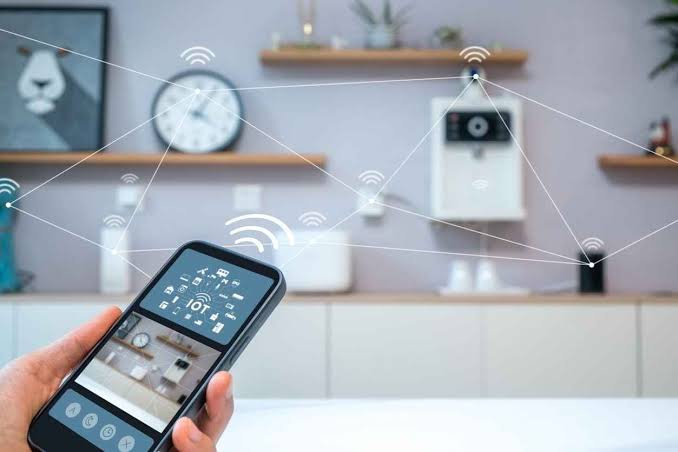
The growth of smart devices is closely connected with the Internet of Things (IoT). IoT refers to a network of physical objects that can collect, exchange, and use data through digital connections.
A smart home is a simple example of an IoT environment. Imagine a home where the lights, thermostat, doorbell, security cameras, television, and appliances can communicate through a connected network.
These devices can work together to create automated routines. For example, a person could create a routine that turns off selected lights, locks connected doors, and adjusts the temperature when they leave home.
The more devices become connected, the more important compatibility becomes. Consumers often need to consider whether different products can communicate with one another before purchasing them.
Smart Devices in Everyday Life
Smart technology is no longer limited to technology enthusiasts. Many people use connected products without thinking much about the technology behind them.
A person may use a smartwatch to check a message during work, a smartphone to navigate through traffic, wireless earbuds to listen to music, and a smart TV to watch a movie at night.
In the kitchen, connected appliances can provide reminders and allow remote control. In the living room, smart lighting can be adjusted using an application. At the front door, a connected doorbell can send an alert when someone arrives.
These examples show how smart technology can become part of normal routines rather than existing as a separate category of technology.
Security and Privacy Considerations
Although smart devices provide many benefits, they also create important security and privacy considerations. Connected products often collect information to provide their services, and some may store data in cloud-based systems.
For this reason, users should pay attention to privacy settings and security features. Using strong, unique passwords is an important first step. Two-factor authentication should also be enabled when it is available.
Keeping device software and applications updated can help protect against known security vulnerabilities. Users should also review the permissions requested by applications and avoid giving unnecessary access to personal information.
A secure home network is equally important because many smart products depend on Wi-Fi. Using a strong Wi-Fi password and keeping the router’s firmware updated can provide an additional layer of protection.
Choosing the Right Smart Devices
There are thousands of smart products on the market, so choosing the right one can sometimes feel confusing. Instead of focusing only on the number of features, consumers should consider how a device will actually be used.
Compatibility is one of the most important factors. If a person already owns several connected products, a new device should ideally work with the existing ecosystem.
Ease of use is another consideration. A device may have many advanced functions, but those features have limited value if the product is difficult to operate.
Price, reliability, software support, privacy practices, and warranty coverage should also be considered. A cheaper device may not always provide better long-term value if it receives limited updates or has poor compatibility.
The Future of Smart Devices
The future of smart technology is likely to involve greater automation and improved communication between devices. Artificial intelligence is already being integrated into many connected products, allowing them to understand commands and provide more personalized experiences.
Future smart homes may require less manual control as devices become better at recognizing routines and responding to changing conditions.
For example, a home system could potentially adjust lighting, temperature, and other settings based on time, occupancy, or individual preferences. In workplaces, connected technology may help monitor equipment and improve operational efficiency.
However, the growth of smart technology will also make responsible data management increasingly important. Manufacturers, developers, and users will all have a role in ensuring that convenience does not come at the cost of security and privacy.
Frequently Asked Questions
1. What are smart devices?
Smart devices are electronic products that use connectivity, software, sensors, or similar technology to provide advanced functions. Many can connect to the internet or communicate with other devices.
2. What are some examples of smart devices?
Common examples include smartphones, smartwatches, smart TVs, smart speakers, smart lights, smart thermostats, connected security cameras, smart refrigerators, and robot vacuum cleaners.
3. Do smart devices need the internet?
Not every smart device requires a constant internet connection. However, many connected features, remote controls, cloud services, and voice assistants depend on internet access.
4. Are smart devices safe to use?
Smart devices can be safe when they are properly configured and maintained. Users should use strong passwords, enable available security features, install updates, and review privacy settings regularly.
5. Can smart devices work together?
Yes. Compatible smart devices can often communicate with one another through a shared platform or smart home ecosystem. Compatibility should be checked before purchasing multiple products.
6. Are smart devices expensive?
The price varies significantly depending on the type, brand, and features. Basic smart products can be relatively affordable, while advanced devices and complete smart home systems may cost considerably more.
7. What is the Internet of Things?
The Internet of Things, commonly called IoT, describes connected physical devices that can collect, exchange, and use data through networks. Smart home products are a common example of IoT technology.
8. What should I consider before buying a smart device?
Consider the device’s purpose, compatibility, ease of use, price, security features, privacy practices, software support, and warranty. Choosing a device based on practical needs can provide better long-term value.
Final Thoughts
Smart devices have changed the way people interact with technology. They bring connectivity, automation, personalization, and convenience into everyday activities. From smartphones and smartwatches to connected appliances and home security systems, these products are becoming an increasingly familiar part of modern life.
The most useful smart device is not necessarily the one with the largest number of features. It is the one that solves a real problem, fits into an existing routine, and provides useful functionality without creating unnecessary complexity.
As connected technology continues to evolve, smart devices are likely to become even more integrated into homes, workplaces, and daily routines. Understanding their benefits, limitations, security requirements, and practical uses can help people make more informed decisions about the technology they bring into their lives.