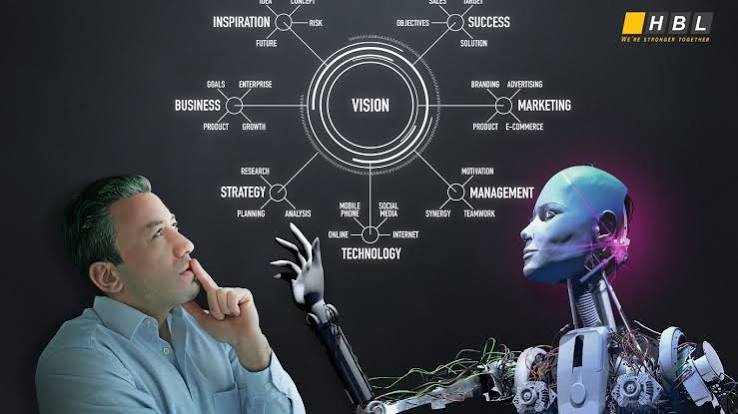
Technology has always played an important role in changing the way people live, work, communicate, and solve problems. From the invention of the internet to smartphones and artificial intelligence, every major technological development has introduced new possibilities. Today, we are entering another exciting period of innovation where technology is expected to become even more connected, intelligent, and useful. The idea of Future Technology is no longer limited to science-fiction movies. Many technologies that once seemed impossible are already being developed, tested, and introduced into everyday life.
Future technology refers to emerging tools, systems, machines, and digital solutions that are expected to influence society in the coming years. Artificial intelligence, robotics, quantum computing, biotechnology, renewable energy, autonomous vehicles, and advanced communication networks are some of the areas attracting significant attention. These technologies could change industries while also creating new opportunities and challenges for individuals and businesses.
What Is Future Technology?
Future technology includes innovations that are still developing or are expected to become more advanced in the years ahead. Some technologies already exist but are improving rapidly, while others are still being researched in laboratories.
Artificial intelligence is a good example. AI can already understand language, analyze information, create content, recognize images, and assist with different professional tasks. In the future, AI systems may become more capable of helping people with complex decision-making, scientific research, education, healthcare, and business operations.
Similarly, robotics is developing beyond traditional industrial machines. Future robots could assist elderly people, work in dangerous environments, support healthcare professionals, and perform repetitive household tasks.
Artificial Intelligence and Intelligent Systems
Artificial intelligence is likely to remain one of the most influential areas of future technology. Modern AI systems can process enormous amounts of information in a short time and identify patterns that may be difficult for humans to notice.
In healthcare, AI could help doctors analyze medical images, organize patient information, and identify potential health risks. In education, intelligent learning platforms could provide students with personalized lessons based on their abilities and learning speed.
Businesses may also use AI to automate routine tasks, improve customer service, analyze market trends, and manage large amounts of data. However, the growth of AI also raises important questions about privacy, employment, security, accuracy, and responsible use. As these systems become more powerful, developing appropriate safeguards will be just as important as improving their capabilities.
Robotics and Automation
Robots are another important part of future technology. Automation has already transformed manufacturing, warehouses, agriculture, and other industries. Future robots are expected to become more flexible and capable of operating in environments designed primarily for humans.
Robots could eventually perform tasks such as delivering goods, inspecting infrastructure, assisting with construction, or supporting emergency workers in dangerous areas. In healthcare, robotic systems may assist surgeons or help patients with rehabilitation.
Automation could make many processes faster and more efficient, but it may also change the types of skills employers need. Instead of simply replacing human workers, technology may encourage people to focus more on creative, analytical, interpersonal, and problem-solving activities.
Quantum Computing
Traditional computers process information using bits, while quantum computers use quantum systems to perform certain types of calculations in fundamentally different ways. Although practical quantum computing is still developing, researchers believe it could eventually solve specific complex problems that are extremely difficult for conventional computers.
Potential applications include drug discovery, materials science, optimization, cryptography, and scientific simulation. Quantum computing is not expected to replace everyday computers. Instead, it may become a specialized technology used for highly complex computational problems.
The field is still facing significant technical challenges, including maintaining stable quantum states and reducing errors. Nevertheless, continued research could make quantum computing an important component of future technological infrastructure.
The Future of Transportation
Transportation is another area where technology is changing rapidly. Electric vehicles are becoming increasingly common, while researchers and companies are exploring autonomous driving, advanced battery systems, and alternative transportation methods.
Self-driving technology could eventually allow vehicles to navigate roads with less human involvement. If developed safely and responsibly, autonomous systems could potentially improve transportation efficiency and provide greater mobility for people who cannot drive.
Electric aviation and other low-emission transportation technologies are also being researched. In cities, smart traffic systems could use real-time data to manage congestion and improve public transportation.
The future of transportation will likely involve a combination of cleaner energy, automation, connectivity, and intelligent infrastructure.
Smart Homes and Connected Cities
The Internet of Things, commonly known as IoT, is connecting more devices to the internet. Smart homes already allow people to control lights, security systems, thermostats, appliances, and other devices through smartphones or voice commands.
Future smart homes could become more responsive to the needs of their occupants. For example, connected systems might automatically adjust lighting, temperature, and energy consumption based on daily routines.
At a larger scale, smart cities could use connected sensors to monitor traffic, energy consumption, water systems, waste collection, and public infrastructure. Data could help city authorities identify problems more quickly and manage resources more efficiently.
However, connected environments also create privacy and cybersecurity concerns. Protecting personal information and securing connected devices will become increasingly important as more aspects of daily life become digital.
Biotechnology and Healthcare
Future technology is not limited to computers and machines. Biotechnology could have a major impact on medicine and human health. Scientists are researching advanced treatments, gene-based therapies, regenerative medicine, personalized healthcare, and improved diagnostic tools.
Personalized medicine could allow treatments to be selected according to an individual’s biological characteristics rather than relying entirely on a one-size-fits-all approach. Wearable devices may also become more sophisticated, continuously collecting information that can help people and healthcare professionals understand certain aspects of health.
Artificial intelligence combined with biotechnology could accelerate scientific research by helping researchers analyze large biological datasets and identify potential patterns.
These developments could create important medical opportunities, but they also require careful ethical consideration, rigorous testing, and appropriate regulation.
Renewable Energy and Sustainable Technology
The future of technology will also depend heavily on how societies produce and use energy. Solar and wind power are expanding, while researchers continue working on better batteries, energy storage systems, smart electrical grids, and other clean-energy technologies.
Improved energy storage could help address the challenge of renewable sources being dependent on weather conditions. Smart grids could balance electricity supply and demand more efficiently by using real-time information.
Technology may also help reduce waste through smarter manufacturing, precision agriculture, water-management systems, and more efficient buildings. Sustainable technology is therefore likely to become an important part of economic development as societies look for ways to use resources more responsibly.
Future Technology and the Workplace
Technology is changing workplaces as well. Remote collaboration tools, automation, cloud computing, and AI-powered software have already transformed many professional environments.
In the future, employees may work alongside intelligent digital assistants that help organize information, automate repetitive activities, and support research or communication. Some jobs may change significantly, while new occupations may emerge around technologies that do not yet exist.
This means education and continuous learning will become increasingly important. People may need to regularly develop new technical and human skills throughout their careers. Adaptability could become just as valuable as having expertise in one particular technology.
Challenges of Future Technology
Although future technology offers many exciting possibilities, it also creates serious challenges. Privacy is one of the biggest concerns because increasingly connected devices can collect enormous amounts of personal information.
Cybersecurity will also become more important as governments, companies, homes, vehicles, and infrastructure become digitally connected. A security problem in one system could potentially affect other connected systems.
Another challenge is unequal access. Advanced technology can be expensive, and not everyone may benefit from new innovations at the same time. Governments, organizations, and technology developers will need to consider accessibility and affordability.
Ethical questions will also become more complicated. Society will need to decide how technologies such as AI, genetic engineering, autonomous machines, and surveillance should be developed and used.
Frequently Asked Questions
1. What is Future Technology?
Future Technology refers to emerging technologies and innovations that are expected to influence people’s lives, businesses, and society in the coming years. Examples include artificial intelligence, robotics, quantum computing, biotechnology, autonomous vehicles, and advanced renewable-energy systems.
2. What technology will have the biggest impact in the future?
Artificial intelligence is expected to have a broad impact because it can be integrated into many different industries. However, robotics, biotechnology, quantum computing, renewable energy, and other technologies may also play important roles in specific areas.
3. How will AI change the future?
AI may automate repetitive tasks, assist professionals with information analysis, improve personalized services, support scientific research, and make many digital tools more capable. Its long-term impact will depend on how accurately, safely, and responsibly these systems are developed and used.
Conclusion
Future Technology has the potential to reshape almost every part of modern life. Artificial intelligence may make digital systems more capable, robotics could transform physical work, quantum computing may open new possibilities in specialized research, and biotechnology could change healthcare. At the same time, renewable energy and smart infrastructure may help societies address environmental and resource challenges.
The future will not be shaped by technology alone. Human decisions, education, ethics, regulation, investment, and responsible innovation will all influence how these developments affect society. The most meaningful progress will come from using technology to solve real problems while protecting people’s privacy, safety, opportunities, and well-being.
As innovation continues, the technologies of tomorrow may become ordinary parts of everyday life. What seems futuristic today could eventually become as familiar as the smartphone or the internet.