Electronic gadgets have become an important part of modern life. From the smartphone in our pocket to the smartwatch on our wrist, technology is now involved in many of the things we do every day. People use electronic gadgets for communication, entertainment, education, work, health, travel, and even household tasks. As technology continues to develop, these devices are becoming smaller, smarter, faster, and more convenient.
The popularity of electronic gadgets has grown because they make everyday activities easier. A smartphone can replace a camera, calculator, GPS device, music player, and even a small computer. Similarly, smart home devices can help people control lights, security systems, temperature, and other household functions with a simple app or voice command.
What Are Electronic Gadgets?
Electronic gadgets are small or portable electronic devices designed to perform specific tasks or provide useful features. They generally operate using electricity or batteries and often contain digital components that allow them to process information.
Common examples include smartphones, tablets, laptops, wireless earbuds, smartwatches, digital cameras, gaming consoles, fitness trackers, smart speakers, and portable chargers. Some gadgets are designed mainly for entertainment, while others are built for productivity, communication, health, or security.
One of the biggest advantages of modern gadgets is their ability to perform several functions in a single device. For example, a modern smartphone allows users to make calls, send messages, browse the internet, take photographs, watch videos, attend online meetings, and use thousands of applications.
Popular Types of Electronic Gadgets
There are many different types of electronic gadgets available today, and each category serves a different purpose.
Smartphones
Smartphones are probably the most widely used electronic gadgets. They combine communication, entertainment, photography, internet access, navigation, and productivity tools in one compact device.
Modern smartphones usually include high-quality cameras, powerful processors, large displays, biometric security, and wireless connectivity. People use them for everything from checking emails and social media to managing finances and attending virtual meetings.
Laptops and Tablets
Laptops are essential gadgets for students, professionals, business owners, and people who work remotely. They provide the processing power needed for writing, designing, programming, video editing, research, and other demanding tasks.
Tablets are generally lighter and more portable. They are useful for reading, watching videos, taking notes, browsing websites, and participating in online classes. With a keyboard and suitable software, some tablets can also be used for professional work.
Smartwatches and Fitness Trackers
Wearable gadgets have become increasingly popular because they combine technology with convenience. Smartwatches can display notifications, track physical activity, monitor heart rate, provide navigation, and support communication features.
Fitness trackers are often more focused on health and activity data. They can help users monitor steps, exercise sessions, sleep patterns, and other everyday metrics. Their usefulness depends on the specific device and the accuracy of its sensors.
Wireless Earbuds and Headphones
Wireless audio devices have changed the way people listen to music and communicate. Bluetooth earbuds eliminate the need for traditional cables and are convenient for commuting, exercising, studying, or making calls.
Many modern headphones also include noise-cancellation technology, which can reduce surrounding sounds and create a more comfortable listening experience.
Smart Home Devices
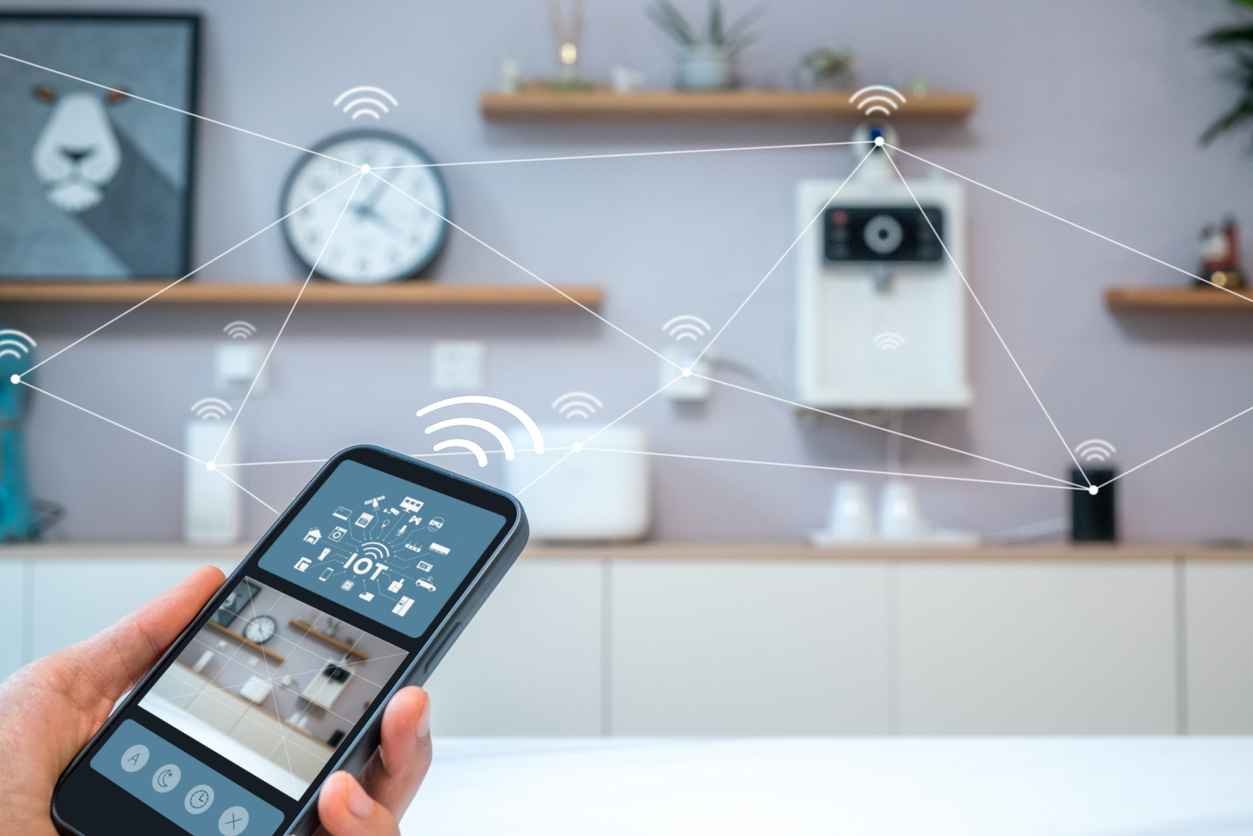
Smart home gadgets are designed to make household activities more convenient. Smart bulbs, security cameras, thermostats, plugs, doorbells, and speakers can connect to a home network and may be controlled through smartphones or voice commands.
These devices can also help users automate certain routines. For example, smart lights can be scheduled to turn on at a particular time, while a smart security camera can send an alert when it detects movement.
Benefits of Electronic Gadgets
Electronic gadgets offer several benefits when they are used appropriately. One major advantage is convenience. A single device can perform tasks that previously required several separate products.
Communication is another major benefit. Smartphones, laptops, and tablets allow people to communicate instantly through calls, messages, email, and video conferencing. This has made it easier for families, friends, students, and businesses to stay connected across long distances.
Electronic gadgets can also support education. Students can access online courses, digital libraries, educational videos, research databases, and interactive learning applications. Instead of depending entirely on printed materials, learners can find information from a wide range of digital resources.
Gadgets are also valuable for entertainment. People can use them to watch movies, listen to music, play games, read books, and explore online content. Portable devices make it possible to enjoy many forms of entertainment almost anywhere.
Another important benefit is productivity. Calendar applications, task-management tools, cloud storage, video-conferencing platforms, and document-editing software allow users to organize their work more efficiently.
How to Choose the Right Electronic Gadget
Choosing an electronic gadget can sometimes be difficult because the market offers a huge number of options. The best device is not necessarily the most expensive one. Instead, buyers should consider what they actually need.
The first thing to consider is the main purpose of the gadget. Someone who needs a laptop for basic documents and browsing may not require the same specifications as someone who edits professional videos or develops software.
Battery life is another important factor, particularly for portable gadgets. A device with a powerful processor and beautiful display may be less useful if its battery cannot last through a normal day.
Build quality should also be considered. A well-designed gadget can provide better durability and a more comfortable user experience. Buyers should also look at software support, warranty coverage, compatibility, storage capacity, and connectivity options.
Price is naturally important as well. Setting a budget before shopping can help prevent unnecessary spending. Reading reliable reviews and comparing specifications can also help consumers understand whether a device offers the features they need.
The Role of Gadgets in Daily Life
Electronic gadgets have changed the way people manage their daily routines. A person can wake up using a smartphone alarm, check messages, follow navigation to work, attend an online meeting, pay for purchases digitally, and track physical activity using a smartwatch.
At home, smart appliances and connected devices can simplify household tasks. In education, digital devices provide access to learning resources. In the workplace, computers and communication platforms support collaboration between people who may be working from different cities or countries.
However, convenience should be balanced with responsible use. Spending too much time on screens can reduce time available for physical activity, face-to-face communication, hobbies, and rest. Users should develop healthy technology habits rather than allowing gadgets to control their entire routine.
The Future of Electronic Gadgets
The future of electronic gadgets is likely to focus on greater connectivity, improved artificial intelligence, better energy efficiency, and more personalized experiences. Devices are becoming increasingly capable of understanding user preferences and responding to commands.
Artificial intelligence is already being incorporated into smartphones, computers, cameras, home devices, and other products. Future gadgets may provide more automated assistance while requiring less direct interaction from users.
Another important area is sustainability. Electronic waste is a growing concern, so manufacturers and consumers have an important role in reducing unnecessary waste. Longer-lasting products, repairable designs, recycling programs, and responsible disposal can help reduce the environmental impact of technology.
As innovation continues, electronic gadgets will probably become even more integrated into homes, workplaces, vehicles, and personal routines. The challenge will be using these technologies in ways that provide genuine benefits without creating unnecessary dependence.
Frequently Asked Questions
1. What are electronic gadgets?
Electronic gadgets are devices that use electronic components to perform specific functions. Common examples include smartphones, laptops, tablets, smartwatches, earbuds, cameras, and smart home devices.
2. What is the most commonly used electronic gadget?
The smartphone is one of the most commonly used electronic gadgets worldwide. It combines communication, internet access, photography, entertainment, navigation, and many other functions in a single portable device.
3. How do electronic gadgets benefit students?
Electronic gadgets can give students access to online courses, educational videos, digital books, research resources, note-taking applications, and communication tools. They can make learning more flexible and accessible.
4. Are electronic gadgets expensive?
The price of electronic gadgets varies significantly. There are affordable, mid-range, and premium options available. The right choice depends on the user’s needs, desired features, and budget.
5. How can I choose the right electronic gadget?
Start by identifying the main purpose of the device. Then compare important factors such as performance, battery life, storage, durability, compatibility, software support, warranty, and price.
6. Do electronic gadgets consume a lot of electricity?
Some gadgets consume very little power, while larger or more powerful devices can use considerably more electricity. Energy consumption depends on the type of device, how frequently it is used, and its efficiency.
7. Can electronic gadgets improve productivity?
Yes. Computers, smartphones, tablets, and other devices can support productivity through calendars, task-management applications, communication platforms, cloud storage, document tools, and other software.
8. What is the future of electronic gadgets?
Future electronic gadgets are expected to become more connected, intelligent, energy-efficient, and personalized. Artificial intelligence, improved sensors, wireless technology, and sustainable designs are likely to play important roles in future devices.
Conclusion
Electronic gadgets have transformed modern life by making communication, entertainment, education, work, and everyday tasks more convenient. Smartphones, laptops, tablets, smartwatches, earbuds, and smart home devices are just a few examples of how technology has become part of our daily routines.
Choosing the right gadget requires more than simply looking at its price or popularity. Buyers should consider their needs, budget, durability, battery life, features, and long-term usefulness. When used responsibly, electronic gadgets can save time, improve productivity, provide entertainment, and connect people with information and each other.
As technology continues to advance, electronic gadgets will become even more capable and connected. Their real value, however, will continue to depend on how wisely people choose and use them.