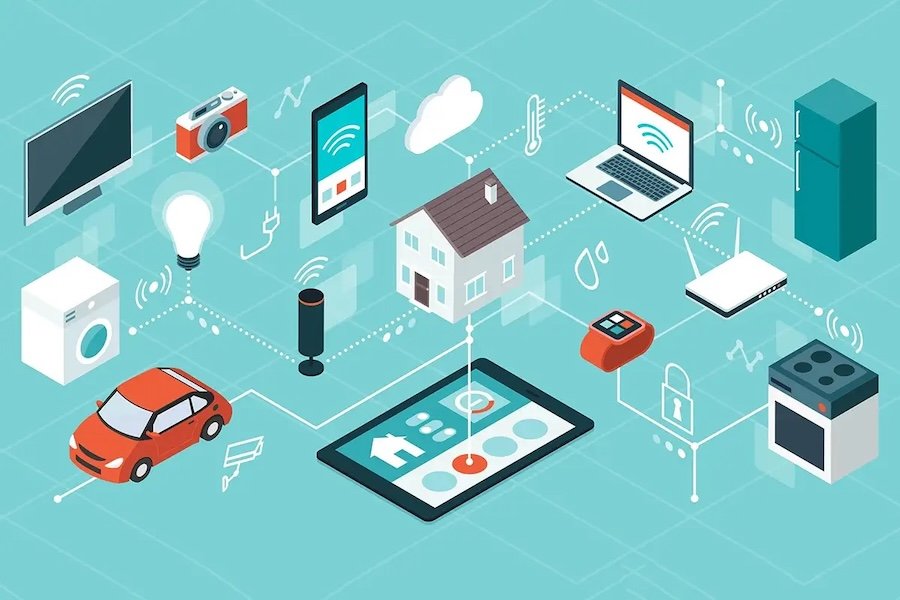
Technology has become an important part of everyday life. From the smartphone in our pocket to the smart devices in our homes, technology helps people communicate, work, learn, shop, travel, and entertain themselves. This growing world of everyday technology is commonly known as consumer tech.
Consumer tech refers to electronic products, digital services, and connected devices designed primarily for individual users rather than businesses or industrial organizations. Smartphones, laptops, tablets, smartwatches, wireless earbuds, gaming consoles, smart TVs, home security systems, and many other products fall into this category.
What makes consumer technology interesting is how quickly it changes. A device that seems advanced today can become ordinary within a few years. New features, improved designs, artificial intelligence, faster internet connections, and better batteries continue to influence the products people use every day.
What Is Consumer Tech?
Consumer tech includes technology products created to make personal and household activities easier, faster, or more enjoyable. Unlike enterprise technology, which is designed mainly for businesses and professional environments, consumer technology focuses on individual needs and experiences.
A smartphone is one of the clearest examples. A modern phone can be used for calls, photography, navigation, banking, shopping, social media, education, video streaming, and much more. In many cases, several separate devices from the past have been replaced by a single smartphone.
The same idea applies to other consumer products. Smartwatches can track activity, display notifications, and provide health and fitness information. Smart speakers can answer questions and control compatible home devices. Streaming devices give users access to movies, television programs, and music without relying entirely on traditional broadcast services.
The Growth of Smartphones
Smartphones have played a major role in the development of consumer tech. Over the years, phones have evolved from simple communication devices into powerful pocket-sized computers.
Modern smartphones typically offer high-resolution displays, advanced cameras, powerful processors, biometric security, fast wireless connectivity, and access to millions of applications. For many people, a smartphone is now the main device they use to access the internet.
The popularity of smartphones has also influenced other areas of technology. Mobile photography has become more sophisticated, mobile payments have become more common, and many online services are designed with mobile users in mind.
Competition between manufacturers has encouraged companies to introduce new features and improve existing ones. Better cameras, longer battery life, brighter displays, faster charging, and improved software are some of the areas where consumers regularly see changes.
Smart Homes and Connected Devices
Another important part of consumer tech is the smart home. Connected devices allow people to monitor and control different parts of their homes using smartphones, voice assistants, or automated routines.
Smart lights, thermostats, cameras, doorbells, locks, and appliances can communicate through wireless networks. For example, a homeowner might turn lights on remotely, check a security camera while away, or create an automated schedule for household devices.
The appeal of smart-home technology is largely based on convenience. Instead of manually controlling every device, users can create systems that perform certain tasks automatically.
However, connected homes also create new considerations. Consumers need to think about privacy, account security, software updates, and compatibility between different products. A smart device may be convenient, but it also becomes part of a person’s digital environment.
Artificial Intelligence in Consumer Technology
Artificial intelligence has become one of the most noticeable developments in consumer technology. AI-powered features are increasingly appearing in smartphones, computers, cameras, search tools, applications, and home devices.
Consumers may interact with AI without always realizing it. Smartphone cameras can automatically recognize scenes and adjust settings. Streaming platforms can recommend content based on viewing habits. Voice assistants can understand spoken commands, while modern software can help users write, summarize, translate, organize, or search information.
Generative AI has expanded this trend even further. AI systems can produce text, images, audio, and other forms of content based on user instructions. Technology companies are integrating these capabilities into consumer products, making AI a more visible part of everyday digital experiences.
At the same time, consumers should understand that AI-powered features can have limitations. Results may sometimes be inaccurate, incomplete, or unsuitable for a particular purpose. Privacy and data usage are also important considerations when using AI services.
Wearable Technology
Wearable devices have also become a major area of consumer tech. Smartwatches and fitness trackers can provide information about activity, exercise, sleep, notifications, and other personal metrics.
The popularity of wearables comes partly from their convenience. Instead of taking out a phone every time a notification arrives, users can quickly view information on their wrist. Fitness-focused users may also appreciate the ability to monitor workouts and daily activity.
Different wearable products target different needs. Some focus heavily on fitness, while others combine health-related features with communication, productivity, and entertainment functions.
As wearable technology continues to develop, manufacturers are working on smaller designs, improved sensors, longer battery life, and better integration with smartphones and other connected products.
Gaming and Entertainment Technology
Consumer tech has also transformed entertainment. Gaming consoles, personal computers, virtual reality devices, streaming platforms, wireless headphones, and high-resolution televisions have changed how people spend their free time.
Modern gaming devices can provide highly detailed graphics, online multiplayer experiences, digital game libraries, and social features. Cloud-based services have also introduced new ways to access entertainment without depending entirely on physical media.
Televisions have experienced a similar transformation. Today’s smart TVs can connect to the internet and provide access to streaming services, applications, music, games, and other digital content.
Audio technology has evolved as well. Wireless earbuds and headphones have become increasingly popular because they offer portability without requiring a physical cable between the device and the listener.
Consumer Tech and Remote Work
The rise of digital work has increased the importance of consumer technology for many people. Laptops, webcams, monitors, wireless keyboards, headphones, and internet-connected devices can form a complete home workspace.
Even people who work primarily from home may rely on several consumer products throughout the day. A laptop can handle communication and productivity tasks, while a smartphone can manage calls, authentication, calendars, and notifications.
This has encouraged consumers to pay more attention to factors such as battery life, portability, display quality, connectivity, and ergonomics when purchasing technology.
Sustainability and Electronic Waste
The rapid development of consumer tech also creates environmental challenges. Electronic waste, often called e-waste, can increase when people frequently replace older devices with newer models.
Responsible technology consumption can help reduce this problem. Consumers can extend the life of devices through proper maintenance, software updates, repairs, and careful use. Recycling old electronics through appropriate programs is another important step.
Manufacturers are also exploring ways to make products more durable, energy-efficient, repairable, and recyclable. Battery technology, packaging, manufacturing processes, and material choices can all influence the environmental impact of a product.
Consumers increasingly consider sustainability when choosing technology, although factors such as price, performance, design, and availability still play major roles in purchasing decisions.
Privacy and Security in Consumer Tech
Convenience is one of the biggest benefits of connected technology, but it can come with privacy and security concerns. Many modern devices collect information to provide personalized features or operate connected services.
Consumers should therefore pay attention to basic security practices. Using strong and unique passwords, enabling multi-factor authentication where available, installing software updates, and reviewing app permissions can reduce common security risks.
It is also useful to understand what information a device or service collects and why that information is being used. Reading privacy settings and adjusting them when necessary can give users greater control over their digital information.
How to Choose Consumer Tech
With so many products available, choosing the right technology can be difficult. The newest product is not always the most suitable one for every consumer.
Before buying a device, it is helpful to identify the main purpose. Someone who mainly browses the web and watches videos may not need an expensive high-performance computer. Similarly, a person who primarily wants basic fitness tracking may not require a premium smartwatch.
Price should also be considered alongside long-term value. Battery replacement options, software support, warranty coverage, repairability, compatibility, and accessory costs can affect the overall ownership experience.
Reading reliable reviews and comparing specifications can also help consumers understand the practical differences between products.
The Future of Consumer Tech
Consumer technology will likely continue moving toward greater connectivity, personalization, and automation. Artificial intelligence, smart-home systems, wearable devices, advanced displays, robotics, and faster wireless networks are all areas that could influence future products.
The distinction between individual devices may also become less important. Instead of thinking about a smartphone, watch, computer, television, and home assistant as completely separate products, consumers may increasingly experience them as parts of one connected ecosystem.
The future of consumer tech is not simply about creating more powerful devices. It is also about making technology easier to use, more accessible, more secure, and potentially more sustainable.
FAQs About Consumer Tech
What does consumer tech mean?
Consumer tech refers to electronic products and digital technologies designed primarily for individual users. Common examples include smartphones, laptops, smartwatches, wireless earbuds, gaming consoles, smart TVs, and smart-home devices.
Why is consumer technology important?
Consumer technology makes many everyday activities more convenient. People can use technology to communicate, work, study, access entertainment, manage their homes, shop online, and perform many other tasks.
What are some examples of consumer tech?
Popular examples include smartphones, tablets, computers, smartwatches, fitness trackers, wireless headphones, smart speakers, smart TVs, gaming consoles, cameras, and connected home-security products.
What should I consider before buying consumer tech?
Consider your actual needs, budget, performance, battery life, compatibility, software support, warranty, security features, repairability, and expected lifespan. Comparing products before purchasing can help you choose a suitable option.
Is consumer tech changing because of AI?
Yes. AI is increasingly being integrated into smartphones, computers, cameras, applications, search tools, and other consumer products. These features can provide automation, personalization, content creation, and other forms of assistance, although users should also consider accuracy and privacy.
Conclusion
Consumer tech has changed the way people communicate, work, shop, exercise, travel, and relax. Smartphones, wearables, smart-home products, gaming devices, computers, and AI-powered services have become increasingly integrated into everyday routines.
As technology continues to advance, consumers will have more choices than ever. Understanding what a product actually offers, how it handles personal information, how long it may remain useful, and whether it fits a person’s real needs can help people make informed purchasing decisions.
Ultimately, the value of consumer technology is not determined simply by how advanced a device looks on paper. The most useful technology is the technology that solves a real problem, fits naturally into everyday life, and provides meaningful value to the person using it.