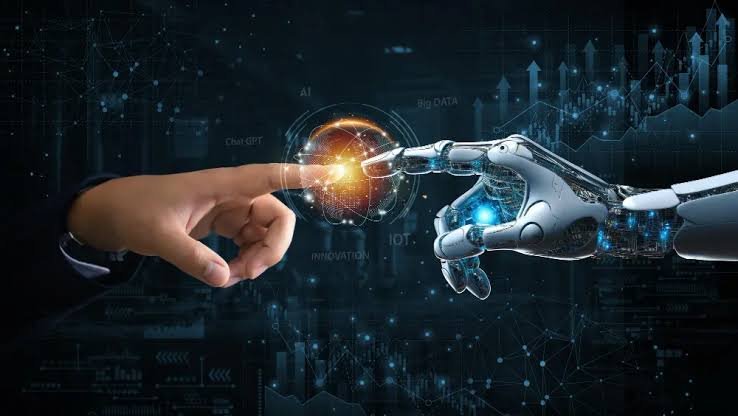
Technology has become one of the most important forces shaping modern life. From the way people communicate to how businesses operate, rapid innovation continues to change everyday experiences. New devices, software, artificial intelligence, cloud platforms, and connected systems are creating opportunities that seemed impossible only a few years ago. These ongoing changes are often described as tech developments, and they are influencing almost every industry around the world.
Tech developments are not limited to smartphones or computers. They include advancements in healthcare, transportation, education, finance, manufacturing, cybersecurity, and entertainment. As these technologies become more accessible, individuals and organizations are finding new ways to solve problems, improve efficiency, and create better services.
The Growing Importance of Tech Developments
The digital world is evolving at an extraordinary pace. Businesses that once depended heavily on physical processes can now use digital tools to automate repetitive work, analyze information, and communicate with customers more effectively. At the same time, consumers have access to services that make daily tasks faster and more convenient.
One major reason technology is developing so quickly is the growing amount of data being generated every day. Companies use this information to understand customer behavior, identify trends, improve products, and make informed decisions. Advanced computing systems can process large volumes of information much faster than traditional methods.
Another important factor is global connectivity. People, businesses, researchers, and governments can share knowledge almost instantly. This collaboration helps new ideas move from development to practical use more quickly.
Artificial Intelligence Is Changing Digital Experiences
Artificial intelligence is among the most significant areas of modern technology. AI systems can analyze information, recognize patterns, generate content, assist with decision-making, and interact with users through natural language.
Businesses are increasingly exploring AI for customer support, marketing, data analysis, software development, and operational tasks. Instead of replacing every human activity, many AI applications are designed to support people by handling repetitive or time-consuming processes.
Generative AI has also introduced new possibilities. These systems can produce text, images, audio, software code, and other forms of content based on user instructions. As the technology develops, organizations are paying greater attention to accuracy, privacy, security, copyright, and responsible use.
The future of AI will likely depend not only on technical improvements but also on how effectively people integrate these systems into real-world workflows.
Cloud Computing and the Modern Workplace
Cloud computing has transformed the way organizations store information and run digital services. Rather than depending entirely on physical servers located inside an office, businesses can access computing resources through internet-based platforms.
This approach can provide flexibility and scalability. A small company can use cloud-based software without building a large technology infrastructure, while larger organizations can expand computing resources when demand increases.
Cloud technology also supports remote and hybrid work. Employees can access files, applications, communication tools, and business systems from different locations. This has made digital collaboration an important part of modern workplaces.
However, cloud adoption also creates responsibilities. Organizations need to protect sensitive information, manage access permissions, monitor systems, and prepare for potential security incidents.
Smart Devices and the Internet of Things
Another major area of tech developments is the Internet of Things, commonly known as IoT. It refers to physical devices that can connect to networks and exchange information.
Smartwatches, connected home appliances, security cameras, industrial sensors, and smart energy systems are examples of connected technologies. These devices can collect information and perform tasks with limited direct human involvement.
In homes, connected devices can help people monitor energy consumption, control lighting, manage security, and automate routine activities. In industries, sensors can monitor equipment and identify potential maintenance problems before they lead to major disruptions.
As more devices become connected, cybersecurity becomes increasingly important. A larger number of connected systems means there are more potential points that need protection.
Technology Is Transforming Healthcare
Healthcare is another field experiencing major technological change. Digital health records, remote consultations, wearable devices, medical imaging, and AI-assisted analysis are helping healthcare professionals work with information in new ways.
Wearable technology can monitor certain health-related measurements and provide users with information about their daily activity. Telemedicine can allow patients to communicate with healthcare professionals without always needing to travel to a medical facility.
AI is also being researched and applied in areas such as medical image analysis, drug discovery, and clinical decision support. These applications are intended to assist professionals, although human expertise and appropriate medical oversight remain essential.
The broader goal of healthcare technology is not simply to introduce more devices. Effective technology should help improve access, efficiency, communication, and the quality of information available to healthcare professionals and patients.
Electric Vehicles and Smarter Transportation
Transportation is also being reshaped by technology. Electric vehicles have become an important part of the automotive industry’s transition toward alternative power systems. Improvements in battery technology, charging infrastructure, software, and vehicle design continue to influence the market.
Modern vehicles are increasingly software-driven. Features such as navigation, driver-assistance systems, connected services, and over-the-air software updates demonstrate how automobiles are becoming more integrated with digital technology.
Beyond personal vehicles, technology is being used to improve public transportation and logistics. GPS systems, traffic-management platforms, digital ticketing, and fleet-monitoring tools can help transportation providers operate more efficiently.
Autonomous driving remains an active area of research and development, but its broader adoption depends on technological performance, safety validation, regulation, infrastructure, and public acceptance.
Cybersecurity Has Become Essential
As technology becomes more deeply integrated into daily life, cybersecurity has become increasingly important. Businesses and individuals face risks involving stolen credentials, malware, phishing, data breaches, and other forms of digital crime.
Modern cybersecurity strategies increasingly involve multiple layers of protection. Strong passwords, multifactor authentication, software updates, encryption, employee awareness, and continuous monitoring can all contribute to better security.
Artificial intelligence is also being used on both sides of the cybersecurity landscape. Security teams can use AI-based tools to identify unusual behavior and process large amounts of security information. At the same time, malicious actors can use automation to make certain attacks more sophisticated.
This creates an ongoing technological competition between organizations trying to protect systems and attackers attempting to exploit weaknesses.
The Role of Technology in Education
Education has changed significantly through digital tools. Online learning platforms, educational applications, virtual classrooms, interactive resources, and digital libraries have expanded access to information.
Students can now study subjects through videos, simulations, online courses, and interactive exercises. Teachers can use digital platforms to distribute materials, communicate with students, and monitor assignments.
AI-based educational tools are also emerging. They can provide explanations, generate practice questions, and offer personalized learning support. Nevertheless, technology works best when combined with effective teaching. Digital tools should support learning rather than become a substitute for thoughtful instruction.
Technology and the Future of Business
For businesses, tech developments can create new products, services, and business models. E-commerce, digital payments, social platforms, cloud software, and automation have changed how companies interact with customers.
Small businesses can use digital marketing and online sales platforms to reach customers beyond their local areas. Larger organizations can use advanced analytics to manage supply chains, understand markets, and optimize operations.
At the same time, technology can increase competition. Customers can compare products and prices quickly, while companies are expected to provide faster and more personalized experiences.
Businesses therefore need to focus not only on adopting new technology but also on understanding whether a particular technology actually solves a meaningful problem.
Challenges Created by Rapid Innovation
Although tech developments provide many benefits, they also create challenges. Privacy is one of the biggest concerns because modern services can collect enormous amounts of personal information.
There are also questions about employment and automation. Some tasks that were previously performed by humans can now be handled by software or machines. This means workers may need to develop new skills as industries change.
The digital divide is another concern. Not everyone has equal access to high-speed internet, modern devices, or digital education. If technological progress is not accompanied by broader access, existing inequalities can become more difficult to address.
Responsible innovation therefore requires attention to security, privacy, accessibility, transparency, and human needs.
What the Future May Bring
The next phase of technological development is likely to involve greater integration between different systems. AI, cloud computing, robotics, connected devices, advanced networks, and data analytics are increasingly working together rather than existing as completely separate technologies.
This integration could lead to smarter workplaces, more personalized digital services, improved industrial processes, and new forms of communication.
However, predicting exactly which technologies will dominate the future is difficult. Some innovations may become mainstream, while others may remain specialized or be replaced by better alternatives.
The most important aspect of future tech developments may therefore be adaptability. Individuals and organizations that continue learning, evaluating new tools carefully, and understanding both their benefits and limitations will be better prepared for technological change.
Frequently Asked Questions
1. What are tech developments?
Tech developments refer to new advancements, improvements, and innovations in technology. They can include artificial intelligence, cloud computing, cybersecurity, smart devices, robotics, software, digital services, and many other areas.
2. Why are tech developments important?
Tech developments can improve productivity, communication, convenience, and access to information. They also help businesses create new products and services while supporting innovation in areas such as healthcare, education, transportation, and manufacturing.
3. How is artificial intelligence affecting technology?
Artificial intelligence is helping computers perform tasks involving language, pattern recognition, prediction, analysis, and content generation. Businesses are using AI for applications such as customer service, data analysis, automation, and content creation.
4. What is the Internet of Things?
The Internet of Things is a network of physical devices that can connect to the internet or other networks and exchange information. Examples include smart appliances, wearable devices, connected vehicles, and industrial sensors.
5. Are tech developments changing the workplace?
Yes. Digital platforms, automation, cloud computing, and AI are changing how many tasks are performed. Some repetitive activities can be automated, while new roles require workers to develop digital and technical skills.
6. What are the main challenges of new technology?
Important challenges include cybersecurity threats, privacy concerns, unequal access to technology, changing employment requirements, misinformation, and questions surrounding responsible use of AI and other advanced systems.
7. How can businesses benefit from technology?
Businesses can use technology to automate processes, communicate with customers, analyze data, manage operations, sell products online, and develop new services. The most useful technology depends on the specific needs and goals of each organization.
8. What can we expect from future tech developments?
Future developments may involve deeper integration of AI, robotics, connected devices, advanced computing, and digital infrastructure. However, the exact direction of technology is difficult to predict because new innovations and changing consumer needs can influence which technologies become widely adopted.
Conclusion
Tech developments are transforming the modern world in ways that affect almost every part of society. Artificial intelligence, cloud computing, connected devices, healthcare technology, electric transportation, cybersecurity, and digital education are only some of the areas experiencing rapid change.
Technology can improve convenience, productivity, communication, and access to information, but innovation also brings responsibilities. Privacy, security, digital inequality, employment changes, and responsible AI use need continued attention.
Ultimately, technology is a tool. Its value depends on how people design it, use it, regulate it, and integrate it into society. As innovation continues, understanding these developments will become increasingly important for individuals, businesses, and communities.